


Telcos are losing a war they don't even realize they're fighting. While carriers waste time competing with each other over minor price cuts, outside tech giants and agile startups are carving up their market share.
Starlink is bypassing ground infrastructure with satellites to cap home broadband prices. Twilio and RingCentral have turned enterprise voice into a software API for AI agents. Apple Passkeys and startups like Socure have eliminated the lucrative telco SMS verification step by handling identity directly on the device using biometrics. Even in heavy infrastructure, Nvidia is building its own data backbones, and companies like Boldyn Networks and many others are deploying private networks directly for factories using open spectrum. These are just a few examples, and if you extend this to the AI economy, there are hundreds of startups carving out small pockets of opportunity.
Now the game is shifting from moving data bits to processing AI tokens. To capture any value of the AI economy, telcos have to stop fighting their domestic peers as the primary threat, pool their unique infrastructure Moat, and launch a coordinated attack.
The Invasion of Core Business

Many years ago, Telco life was simple. Telco owns the physical infrastructure, and the customers will have no choice but to pay you. That simple life is gone. Outside companies are simply neutralizing the Telco’s infrastructure advantage and stealing the high-margin services that run on top of it.
Start with basic broadband. Geographic presence is used to protect carriers because laying fiber or building cell towers is incredibly expensive. Elon Musk’s Starlink is erasing that advantage.
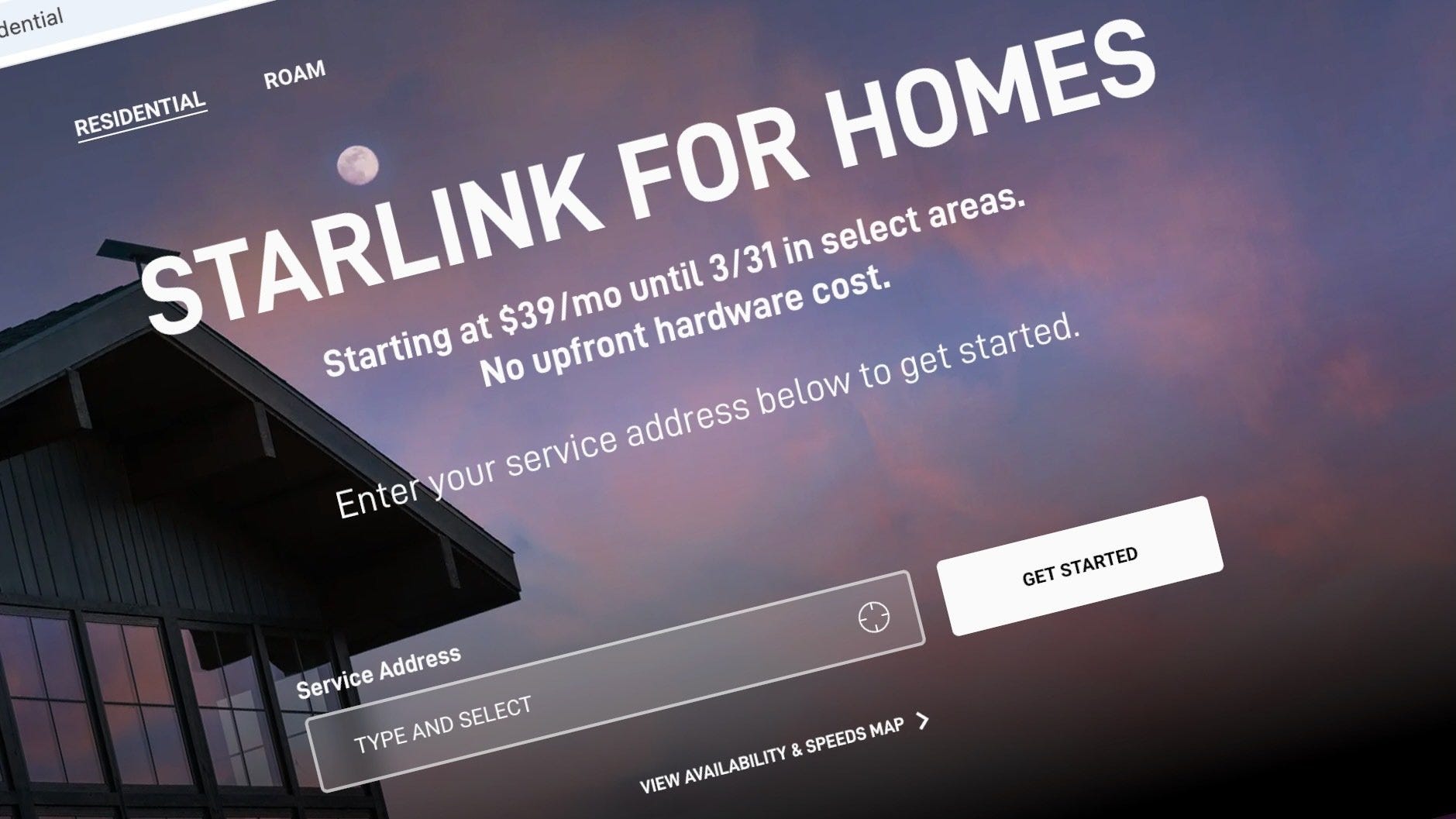
With an aggressive launch schedule in 2026 for its third-generation satellites, Starlink has built a massive space-based laser mesh that delivers median download speeds near 200 Mbps and incredibly low latency across the United States. Having grown to over 10 million global subscribers by early 2026, Starlink is not just a rural fallback but is directly capping how much terrestrial fiber and 5G home internet providers can charge everywhere.