

Three operators on three continents moved on AI Voice within six weeks. Ooredoo Qatar launched AI-powered outbound sales calling using Microsoft Azure OpenAI. Deutsche Telekom presented the Magenta AI Call Assistant at MWC Barcelona, built with ElevenLabs and embedded in the network rather than in an app. Orange Business followed with branded calling, deepfake detection and agentic telephony, while disclosing that it had already handled 80 million AI conversations across 7,000 enterprise customers in 2025. The products were different, but all three were making the same bet on Voice.
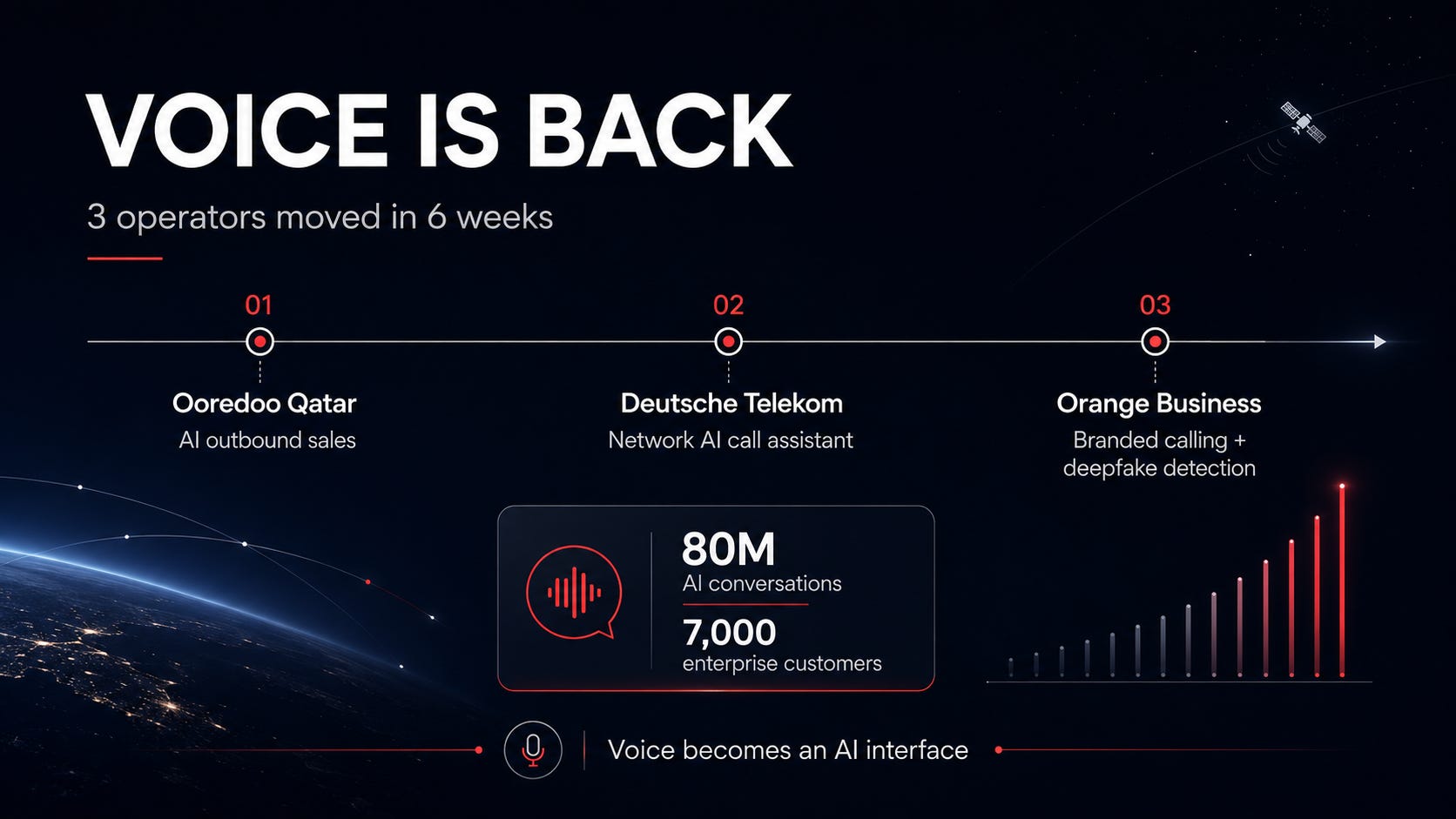
Generative AI changes what a phone call can do. The old automated experience was built around menus and routing. The new one can understand what the customer wants, access the systems behind the business, and execute part of the task. Voice can become an interface for sales, service, and enterprise workflows rather than simply another transport service, and operators are starting to build around that opportunity.
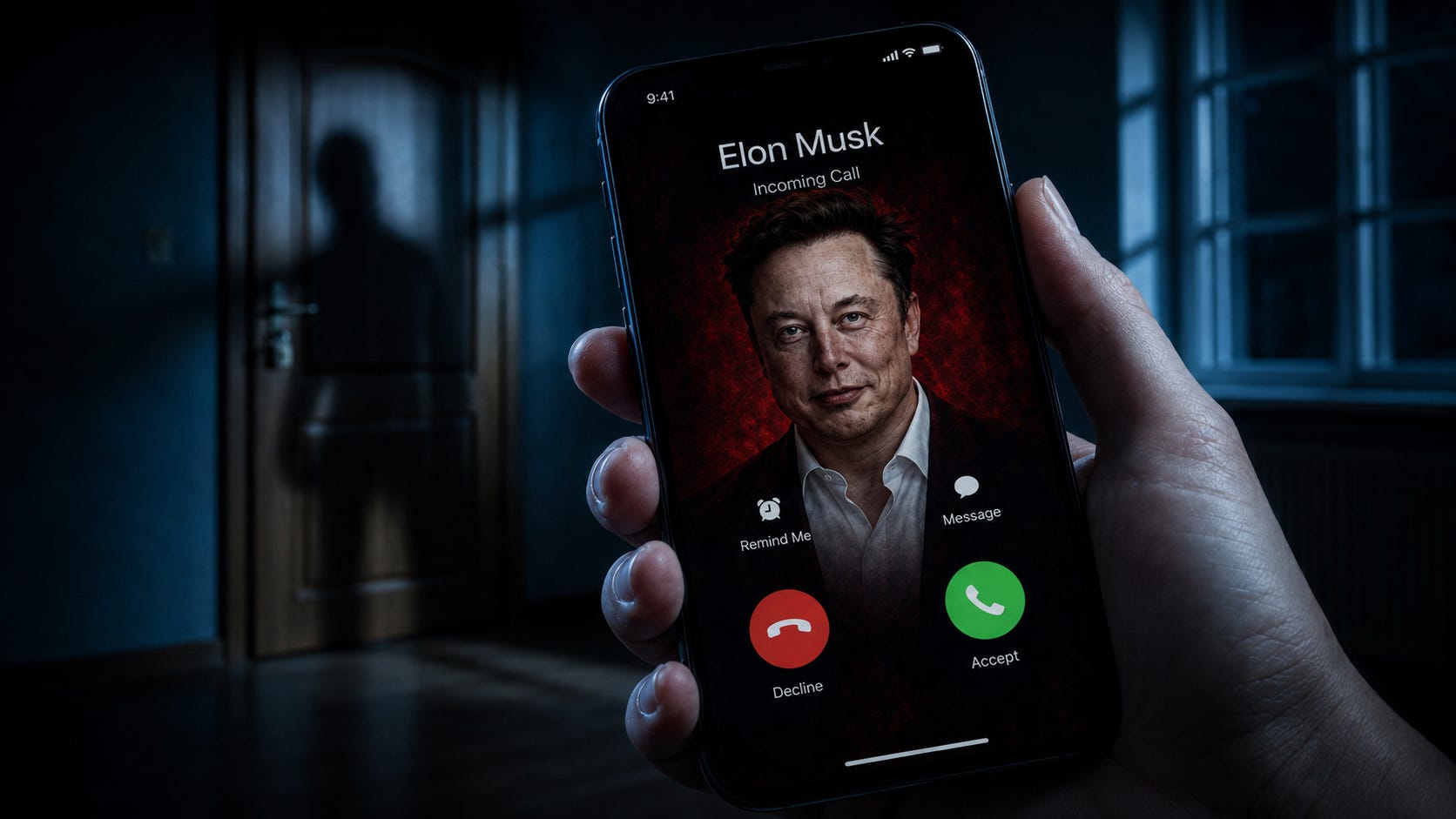
Elon Musk is moving into the same space.
When xAI launched its Voice Agent Builder in July, it advertised $0.05 per audio minute, plus $0.01 per minute for telephony on a provisioned number. Grok Voice Think Fast 2.0 is now listed at $0.08 per audio minute. Those figures are not the full cost of running an enterprise contact center because integration, compliance and the underlying systems still have to be paid for. But they set a public price, in cents per minute, for a capability that Telcos are preparing to sell as a premium enterprise service.
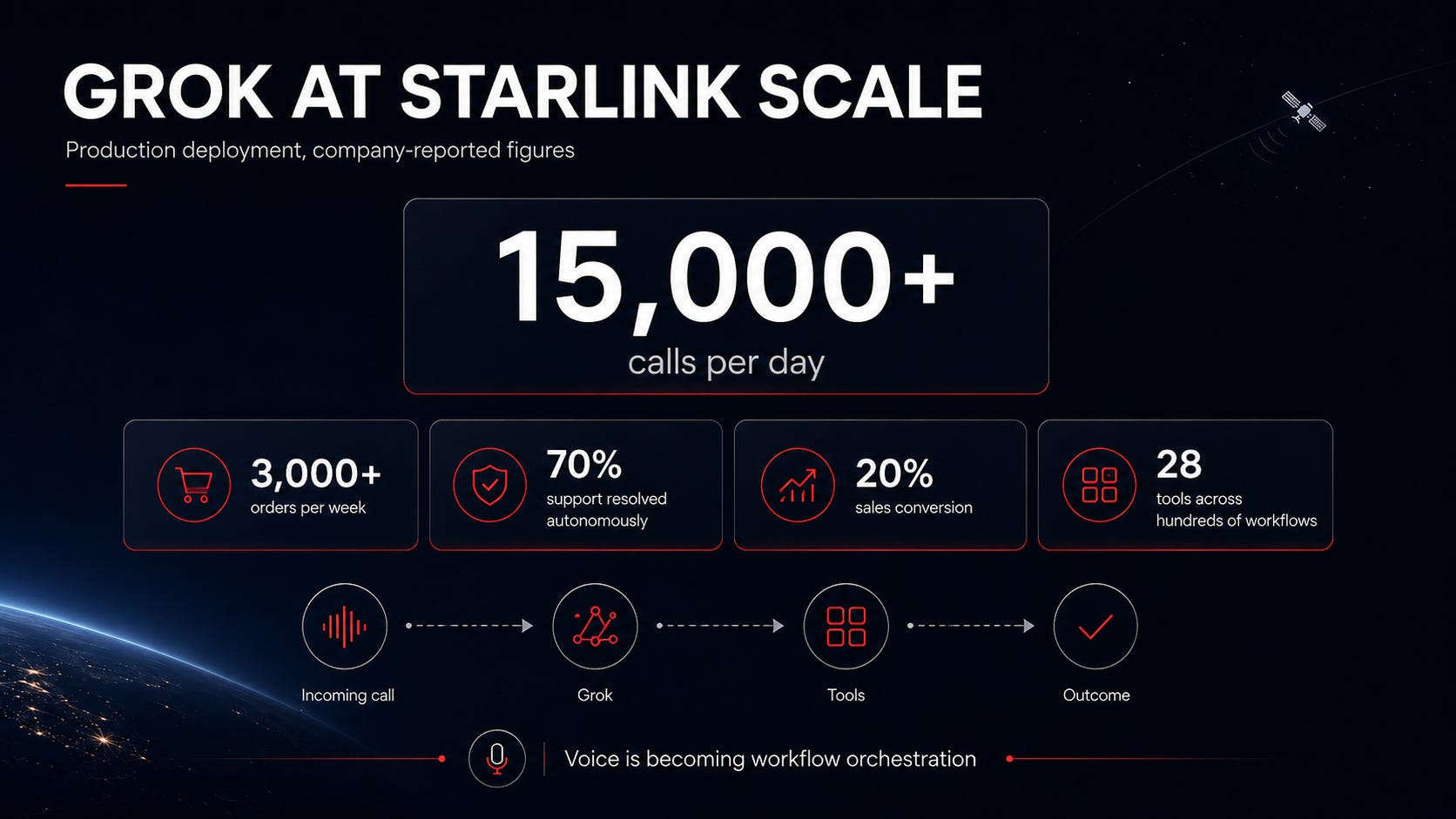
Musk also has a live telecom business in which to prove it. In August, SpaceXAI said Grok Voice was resolving more than 15,000 inbound Starlink support and sales calls a day and fulfilling more than 3,000 orders a week across Voice and chat. The Starlink agent converted around 20% of sales inquiries and resolved 70% of support inquiries without a human in the loop, while using 28 tools across hundreds of workflows including hardware diagnosis, replacement shipments and service credits.
In those 28 tools released by these Starlink Agent there are interesting aspects to understand.
A traditional contact center agent listens to the customer and then moves through CRM, billing, order management, logistics and support systems until something gets resolved. Grok is beginning to automate that navigation. A customer explains that a Starlink terminal is not working; the agent diagnoses the issue, calls the relevant tools, and can initiate a replacement or credit. Voice gets the customer into the process, but the value comes from what happens behind the conversation.
I do not think Musk is viewing Voice primarily as another telecom revenue stream. Voice is a practical spearhead for the “28 Trillion TAM” AI-native enterprise. Every call contains intent that must eventually become an action within the business. If Grok becomes the layer that understands that intent and connects into CRM, payments, orders, scheduling, logistics, or support, the opportunity is no longer measured by how many Voice minutes xAI sells. It is measured by the amount of enterprise work that passes through Grok.