


The Telco Agent Marketplace
Today, Nokia and Google Cloud announced an expanded partnership to embed Gemini models directly into the Nokia Assurance Center. Rather than dropping an unproven, monolithic model into live infrastructure, the strategy here is to use artificial intelligence as a structured series of individual software products. Each specialized agent represents a small software asset that requires specific lifecycle management and investment.
The commercial framework becomes available in September 2026 as a Software-as-a-Service model on the Google Cloud Marketplace. At launch, network operators gain access to an initial starter pack featuring two fully functional agents. The Router agent serves as the central orchestration layer, managing communications and ensuring compliance with operational guardrails. Alongside it, the Event Triage agent analyzes ongoing alarms and compares them against historical patterns to identify root causes and assess operational impact.
Instead of making network operators wait for a complete ecosystem, Nokia plans to ship the remaining complex agents through rolling software updates. These continuous releases will deploy the KPI selector, anomaly reasoner, action reasoner, and dashboard agents starting in late 2026 and extending throughout 2027.
This phased rollout expands capabilities across broader network portfolios, including Unified Inventory and Data Suite applications. Breaking autonomous network engineering into a modular timeline allows Telcos to gradually validate the reasoning of individual agents, ensuring that human engineers retain final approval over critical control points before fixes execute.
The End of the Black Box?
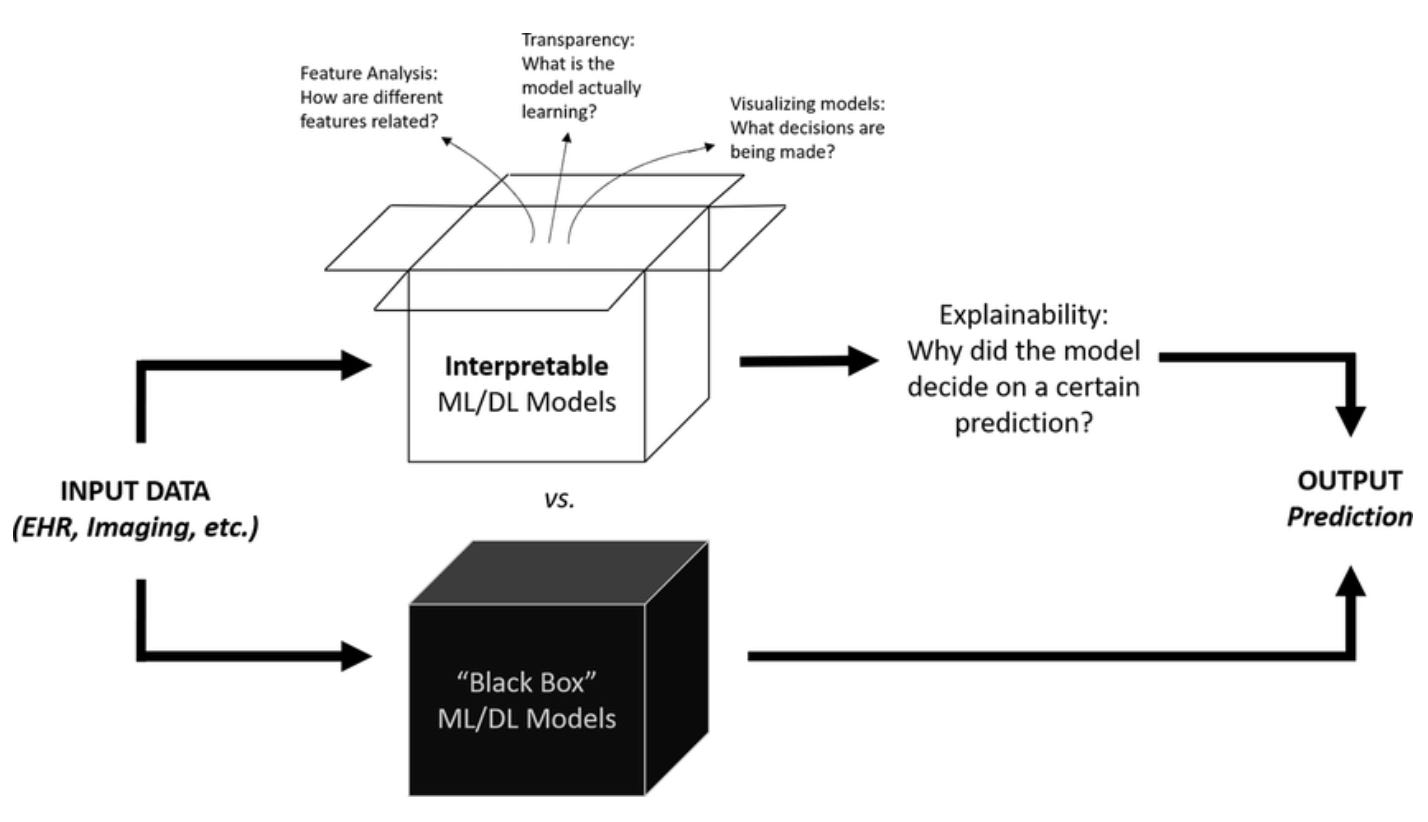
Telecom autonomy has struggled to evolve under traditional machine learning models because these older systems operate as uninterpretable black boxes. Machine learning excels at deterministic tasks and pattern recognition across massive datasets. However, network engineers managing critical infrastructure require clear explanations before executing system changes.